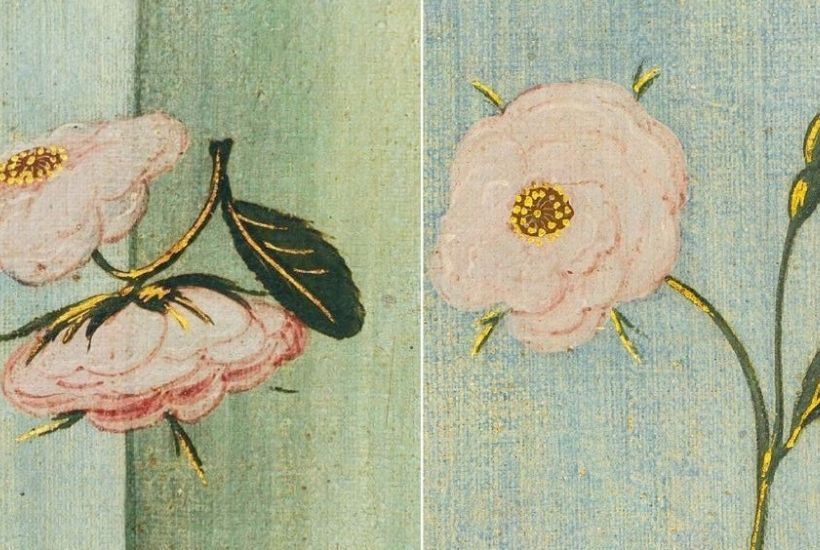
Image: Birth of Venus, 1485 Sandro Botticelli
If Venus in the signs reveals how we love, and Venus in the houses reveals where love lives, then Venus in aspect reveals how we relate.
Aspects describe the inner relationships shaping desire, connection, pleasure, and self-worth. They show how love interacts with instinct, memory, ambition, imagination, power, and change. Through aspects, Venus is never alone. She is always in dialogue, sometimes harmonious, sometimes conflicted, often evolving through relationship with other parts of the psyche.
These relationships influence how we give and receive affection, how we experience attraction, how we attach, detach, idealize, protect, or withdraw. They shape the tone of intimacy, the stories we tell about love, and the emotional patterns we carry into connection with others.
Venus aspects are not fixed labels. They are dynamic exchanges. Places where the heart is supported, challenged, softened, defended, stretched, or transformed over time. Some aspects make relating feel natural and instinctive. Others create tension that invites self-awareness, emotional maturity, and deeper embodiment of worth.
In the natal chart, Venus’s aspects describe enduring patterns of relationship. Ways of loving that were formed through temperament, attachment experiences, and early models of connection. In transit, Venus’s aspects describe temporary relational climates, moments when desire is activated, tested, clarified, or reoriented.
Together, natal and transiting aspects reveal that love is not a static trait. It is a relational process, shaped continuously by interaction within the psyche and with life itself.
Read about Venus’s role in Astrology, Mythology, Spirituality, Psychology and more here; Venus through the zodiac signs here, or Venus through the houses here.
How to Read Venus Aspects in Astrology: Conjunction, Opposition, Trine, Square, Sextile
To read Venus aspects is to listen for relationship, not judgment.
Aspects do not describe whether someone is good or bad at love, secure or broken, attractive or unlovable. They describe how different inner needs communicate with one another. Where affection flows easily, where it meets resistance, and where growth is catalyzed through tension.
Each aspect type carries a distinct quality of exchange:
Conjunctions describe fusion. When a planet is conjunct Venus – love is closely intertwined with another function, intensifying identification and emotional charge.
Trines and sextiles describe ease and support. Relating flows naturally, often unconsciously, offering gifts that may be under-recognized or taken for granted.
Squares and oppositions describe friction and polarity. These aspects generate awareness through contrast, challenge, and the need for integration.
No aspect is inherently problematic. Tension does not imply emotional deficiency. Ease does not guarantee intimacy or depth. In many cases, the most conscious forms of love emerge from aspects that require ongoing negotiation.
When interpreting Venus aspects, it is helpful to consider:
What inner function is Venus in dialogue with? Does love lead, follow, resist, or merge? Is relating shaped through ease, effort, longing, or repeated self-questioning?
Over time, aspects mature. Early in life, they often operate unconsciously, shaping attachment patterns without awareness. With experience, reflection, and choice, these same aspects can become sites of integration, where love becomes more embodied, self-aware, and emotionally honest.
Venus aspects remind us that love is not neutral. It is influenced by fear, memory, desire, expectation, imagination, and power. To work consciously with Venus in aspect is to develop a relationship with relating itself, learning how to stay open without self-abandoning, how to give without losing, and how to receive without fear.
Natal Chart Venus Planetary Aspects
Venus – Sun Aspects
Love, Identity & the Sense of Self
Venus–Sun aspects in our skies and birth chart describe the relationship between who we are and how we love. This is the dialogue between identity and attraction, between the core sense of self and the heart’s way of relating. When Venus and the Sun are in relationship, love is never neutral. It is personal. It carries selfhood, purpose, and the desire to be seen, chosen, and affirmed.
At its core, this aspect speaks to how easily a person can know themselves through relationship. For some, love feels like an extension of identity. Being desired, appreciated, or mirrored becomes central to self-understanding. The way one loves and the way one exists feel deeply intertwined. For others, there is a lifelong process of separating self-worth from relational feedback, learning that love reflects the self without defining it.
When Venus and the Sun are closely connected, such as through a conjunction, there is often a strong sense of relational vitality. Love, creativity, and identity flow through one another. The person may naturally express themselves through affection, beauty, or relational presence. There is warmth, charisma, and a desire to shine through connection, but also potential difficulty when love is withdrawn or not reciprocated.
In more harmonious expressions (sextile and trine), Venus–Sun aspects support confidence in love and authenticity in relating. The self and the heart work together, allowing affection to be expressed without self-erasure or over-identification. There is often ease in giving and receiving love, and a natural sense of worth that does not require constant validation.
In more tense expressions (square and opposition), the relationship between identity and love can feel strained. The person may oscillate between seeking affirmation and resisting dependence, between wanting to be seen and fearing loss of self. Growth often comes through learning to hold identity as something stable and intrinsic, rather than something earned through relationship.
Psychologically, Venus–Sun aspects mature as the individual learns to let love reflect the self without replacing it. The invitation is to allow intimacy to enhance identity, not carry it.
Invitation / Gift:
Venus–Sun aspects offer the gift of embodied self-love. Their invitation is to let love illuminate who you are, without making your sense of self contingent on being chosen.
Venus – Moon Aspects
Love, Attachment & Emotional Safety
Venus–Moon aspects describe the relationship between how we love and how we feel. This is the dialogue between the heart’s desires and the emotional body’s need for safety, comfort, and belonging. When Venus and the Moon are in relationship, love is experienced not just as attraction, but as emotional nourishment, memory, and attachment.
At its core, this aspect speaks to how early emotional experiences shape the way we relate. The style of care received, the consistency of affection, and the emotional tone of childhood often become templates for adult intimacy. Love may feel inseparable from security, and closeness may be associated with familiarity, home, and being held in emotional understanding.
When Venus and the Moon are closely connected, such as through a conjunction, feelings and affection are deeply intertwined. The person often loves with their whole emotional body. There is sensitivity, tenderness, and a strong capacity for nurturing, but also heightened vulnerability. Rejection or distance may feel deeply personal, touching old emotional imprints.
In more harmonious expressions (sextile and trine), Venus–Moon aspects support emotional attunement in relationship. The person can give and receive love with warmth and responsiveness. There is ease in expressing care, a natural capacity for intimacy, and an instinctive understanding of emotional needs, both one’s own and others’.
In more tense expressions (square and opposition), the heart and emotional body may feel misaligned. The person may crave closeness yet fear dependency, or seek love while struggling to feel emotionally safe. Patterns of over-giving, emotional withdrawal, or reenacting early attachment wounds can arise. Growth comes through learning to differentiate present relationships from past emotional conditioning.
Psychologically, Venus–Moon aspects mature through emotional re-parenting. Through learning to offer oneself the safety, care, and validation once sought from others. Love becomes less about filling an emotional gap and more about shared presence.
Invitation / Gift:
Venus–Moon aspects offer the gift of emotional intimacy. Their invitation is to let love be a place of nourishment rather than repair, allowing connection to emerge from wholeness rather than unmet need.
Venus – Mercury Aspects
Love, Communication & the Language of Relating
Venus–Mercury aspects describe the relationship between how we love and how we speak. This is the dialogue between the heart’s desires and the mind’s way of expressing, interpreting, and making meaning. When Venus and Mercury are in relationship, love becomes something that is communicated, named, reflected upon, and shaped through language.
At its core, this aspect speaks to how affection is articulated. For some, words are a primary love language. Connection is built through conversation, shared stories, humour, or emotional dialogue. Thought naturally moves toward harmony, understanding, and mutual appreciation. For others, there may be tension between what is felt and what is said, creating a gap between inner experience and outward expression.
When Venus and Mercury are closely connected, such as through a conjunction, relating and thinking become intertwined. The person often processes feelings through words and may seek emotional clarity through dialogue. There is charm, social intelligence, and a desire to connect through mutual understanding, but also sensitivity to tone, feedback, and perceived rejection.
In more harmonious expressions (sextile and trine), Venus–Mercury aspects support graceful communication in relationships. Thoughts and feelings cooperate, allowing affection to be expressed with warmth, tact, and emotional intelligence. There is ease in naming needs, negotiating differences, and creating mental intimacy.
In more tense expressions (square and opposition), the mind and heart may feel out of sync. The person may struggle to express desire honestly, intellectualize feelings, or soften truth in order to preserve connection. Misunderstandings can arise when communication prioritizes harmony over authenticity. Growth comes through learning to let truth and kindness coexist.
Psychologically, Venus–Mercury aspects mature as the individual learns to use communication as a bridge rather than a shield. The work is to allow language to serve connection without filtering the heart.
Invitation / Gift:
Venus–Mercury aspects offer the gift of relational intelligence. Their invitation is to speak from the heart without self-editing, allowing communication to become an act of genuine intimacy rather than performance.
Venus – Mars Aspects
Love, Desire & the Dance of Polarity
Venus–Mars aspects describe the relationship between how we love and how we want. This is the dialogue between attraction and pursuit, receptivity and assertion, magnetism and action. When Venus and Mars are in relationship, love carries heat, chemistry, and the dynamic tension of desire.
At its core, this aspect speaks to how intimacy is animated. It shapes sexual expression, romantic momentum, and the interplay between giving and taking. There is often a strong awareness of polarity here, the push and pull between closeness and independence, tenderness and intensity, vulnerability and strength.
When Venus and Mars are closely connected, such as through a conjunction, affection and desire merge. The person may experience love as highly embodied and immediate, with strong romantic or sexual drive. There is passion, charisma, and vitality, but also potential for impulsivity or conflict when needs are not met.
In more harmonious expressions (sextile and trine), Venus–Mars aspects support healthy expression of desire. Love and will cooperate, allowing intimacy to feel alive without being overwhelming. There is ease in initiating connection, mutual attraction, and an ability to balance sensitivity with directness.
In more tense expressions (square and opposition), love and desire may feel at odds. The person may oscillate between wanting closeness and resisting vulnerability, or between giving affection and asserting independence. Relationships can become arenas for power struggles, projection, or unmet expectations. Growth emerges through learning to honour both tenderness and autonomy.
Psychologically, Venus–Mars aspects mature through integration of polarity. Through learning that attraction does not require conflict, and that desire can coexist with emotional safety.
Invitation / Gift:
Venus–Mars aspects offer the gift of embodied passion. Their invitation is to let desire move through love without domination or withdrawal, allowing intimacy to remain dynamic, mutual, and alive.
Venus – Jupiter Aspects
Love, Meaning & the Expansion of the Heart
Venus–Jupiter aspects describe the relationship between how we love and what we believe love can be. This is the dialogue between affection and meaning, pleasure and purpose, intimacy and the larger vision of life. When Venus and Jupiter are in relationship, love seeks not only connection, but growth, possibility, and a sense of shared horizon.
At its core, this aspect speaks to generosity of heart. There is often an innate optimism around love, a belief that connection can be enriching, expansive, and even transformative. The person may naturally approach relationships with openness, enthusiasm, and a desire to share experiences, ideas, and values.
When Venus and Jupiter are closely connected, such as through a conjunction, love tends to feel abundant and expressive. The person may give easily, love deeply, and expect life to meet them with warmth in return. There is joy, faith in connection, and a capacity for celebration, but also potential for excess, over-idealization, or unrealistic expectations.
In more harmonious expressions (sextile and trine), Venus–Jupiter aspects support emotional generosity without self-loss. Love flows with ease, creating relationships that feel uplifting, supportive, and meaningful. There is often a gift for seeing the best in others and cultivating shared growth.
In more tense expressions (square and opposition), the heart may reach beyond its emotional resources. The person may over-give, over-promise, or seek meaning through relationship rather than within. Disappointment can arise when ideals meet human limits. Growth comes through learning to balance faith with discernment.
Psychologically, Venus–Jupiter aspects mature through tempered optimism. Through learning that love does not need to be limitless to be fulfilling, and that meaning emerges through presence as much as possibility.
Invitation / Gift:
Venus–Jupiter aspects offer the gift of expansive love. Their invitation is to let joy enrich connection without bypassing reality, allowing the heart to grow while remaining grounded.
Venus – Saturn Aspects
Love, Commitment & the Architecture of Trust
Venus–Saturn aspects describe the relationship between how we love and how we protect ourselves. This is the dialogue between the heart’s longing for connection and the psyche’s need for safety, structure, and emotional boundaries. When Venus and Saturn are in relationship, love is shaped by responsibility, time, and the weight of experience.
At its core, this aspect speaks to the serious side of love. There is often an early awareness of emotional consequence, loss, or limitation. Affection may feel earned rather than given freely, and intimacy may develop slowly, cautiously, or with strong self-protection. Love is not taken lightly. It is something that must prove itself.
When Venus and Saturn are closely connected, such as through a conjunction, the person may experience love as both deeply desired and carefully guarded. There is loyalty, depth, and endurance, but also fear of vulnerability or rejection. The heart may carry old disappointments that shape how trust is formed.
In more harmonious expressions (sextile and trine), Venus–Saturn aspects support stable, mature relationships. Love is expressed through reliability, presence, and long-term devotion. There is an ability to build emotional security over time and to value commitment as a form of intimacy.
In more tense expressions (square and opposition), the heart may feel restricted or unworthy. The person may struggle with self-worth in relationships, fear abandonment, or unconsciously recreate emotional distance. Love can feel heavy, delayed, or conditional. Growth comes through learning that boundaries do not need to equal withdrawal.
Psychologically, Venus–Saturn aspects mature through earned trust. Through allowing love to unfold without requiring constant proof, and learning that emotional safety can coexist with openness.
Invitation / Gift:
Venus–Saturn aspects offer the gift of enduring love. Their invitation is to let vulnerability become a source of strength, allowing intimacy to be built on trust rather than fear.
Venus – Chiron Aspects
Love, Wounding & the Healing of Worth
Venus–Chiron aspects describe the relationship between how we love and where we feel unlovable. This is the dialogue between the heart’s desire for connection and the psyche’s memory of relational pain, rejection, or inadequacy. When Venus and Chiron are in relationship, love is shaped by sensitivity around worth, beauty, and belonging.
At its core, this aspect speaks to a wound around being chosen, valued, or received. There may be early experiences of feeling unwanted, overlooked, compared, or emotionally unseen. The heart learns to love while simultaneously protecting itself from disappointment. Desire becomes layered with vulnerability.
When Venus and Chiron are closely connected, such as through a conjunction, the wound and the heart are tightly intertwined. Relationships often activate deep feelings of not being enough, or of needing to earn love through giving, pleasing, or self-sacrifice. Yet this same configuration creates profound empathy and relational insight.
In more harmonious expressions (sextile and trine), Venus–Chiron aspects support early integration of this wound. The person becomes emotionally attuned, compassionate, and capable of holding space for both their own and others’ relational pain. Love becomes a channel for healing rather than avoidance.
In more tense expressions (square and opposition), the wound may dominate the relational landscape. Patterns of attracting unavailable partners, over-giving, or rejecting intimacy before being rejected can repeat. Growth comes through learning to separate past pain from present reality, and allowing worth to be internally sourced.
Psychologically, Venus–Chiron aspects mature through reclaiming self-worth. Through learning that love does not need to be earned through suffering, and that vulnerability does not equal deficiency.
Invitation / Gift:
Venus–Chiron aspects offer the gift of healing love. Their invitation is to let intimacy become a space of self-repair rather than self-abandonment, allowing worth to emerge from within rather than from being chosen.
Venus – Uranus Aspects
Love, Freedom & the Call of Authenticity
Venus–Uranus aspects describe the relationship between how we love and how we need to be free. This is the dialogue between intimacy and independence, attachment and autonomy, closeness and individuality. When Venus and Uranus are in relationship, love resists predictability and seeks authenticity, excitement, and space to breathe.
At its core, this aspect speaks to unconventional relating. There is often an early sense of being different in love, or needing relationships that do not fit traditional templates. Attraction may spark suddenly, intensely, and unpredictably. Connection is often linked to shared originality, intellectual stimulation, or mutual liberation.
When Venus and Uranus are closely connected, such as through a conjunction, love and freedom become intertwined. The person may crave intimacy yet resist routine, needing emotional space even within committed bonds. There is freshness, magnetism, and creative relational energy, but also potential for instability or sudden shifts.
In more harmonious expressions (sextile and trine), Venus–Uranus aspects support dynamic, conscious relationships. Love remains alive through mutual respect for individuality. There is ease in giving each other space without withdrawal, and in allowing connection to evolve rather than stagnate.
In more tense expressions (square and opposition), the heart may oscillate between craving closeness and needing escape. Relationships can feel exciting but inconsistent, or intimate yet emotionally detached. Patterns of sudden attraction and sudden distancing may repeat. Growth comes through learning to tolerate intimacy without feeling trapped.
Psychologically, Venus–Uranus aspects mature through freedom within connection. Through discovering that autonomy does not require rupture, and that authenticity can coexist with commitment.
Invitation / Gift:
Venus–Uranus aspects offer the gift of liberated love. Their invitation is to let relationships remain alive, flexible, and truthful without sacrificing emotional presence.
Venus – Neptune Aspects
Love, Idealization & the Longing for Union
Venus–Neptune aspects describe the relationship between how we love and what we dream love to be. This is the dialogue between the heart’s desires and the soul’s longing for transcendence, unity, and spiritual connection. When Venus and Neptune are in relationship, love becomes infused with imagination, fantasy, compassion, and the yearning for something beyond the ordinary.
At its core, this aspect speaks to romantic idealism. There is often a deep sensitivity to beauty, energy, and emotional resonance. Love may feel less like a practical bond and more like a mystical experience, something that dissolves boundaries and opens the heart to the infinite. Attraction can be based on subtle feelings, projections, or unspoken emotional currents.
When Venus and Neptune are closely connected, such as through a conjunction, love and longing merge. The person may experience profound empathy, devotion, and romantic intensity. There is capacity for unconditional love and spiritual intimacy, but also vulnerability to illusion, self-sacrifice, or seeing what is wished for rather than what is present.
In more harmonious expressions (sextile and trine), Venus–Neptune aspects support soulful, compassionate relationships. Love is gentle, imaginative, and emotionally attuned. There is an ability to hold both romance and reality, allowing connection to feel meaningful without losing grounding.
In more tense expressions (square and opposition), the heart may become confused or idealize unavailable partners. Boundaries can blur, leading to disappointment, disillusionment, or emotional enmeshment. Growth comes through learning discernment, and distinguishing intuition from projection.
Psychologically, Venus–Neptune aspects mature through grounded spirituality. Through allowing love to remain mystical without abandoning clarity, and learning that true union includes seeing others as they are.
Invitation / Gift:
Venus–Neptune aspects offer the gift of transcendent love. Their invitation is to let compassion and imagination enrich connection without dissolving the self.
Venus – Pluto Aspects
Love, Power & Transformational Intimacy
Venus–Pluto aspects describe the relationship between how we love and how we experience depth, control, and transformation. This is the dialogue between affection and intensity, desire and power, intimacy and the fear of loss. When Venus and Pluto are in relationship, love is rarely light or casual. It carries emotional gravity and the pull toward profound connection.
At its core, this aspect speaks to love as a catalyst for change. Relationships become sites of psychological excavation, revealing unconscious patterns around attachment, jealousy, dependency, or emotional survival. Attraction may feel magnetic, fated, or all-consuming, drawing the person into experiences that reshape their understanding of love.
When Venus and Pluto are closely connected, such as through a conjunction, love and transformation merge. The person may form bonds that feel deeply bonding, erotic, and emotionally charged. There is loyalty, passion, and a desire for total intimacy, but also potential for possessiveness, fear of betrayal, or emotional power struggles.
In more harmonious expressions (sextile and trine), Venus–Pluto aspects support conscious depth in relationship. Love becomes a space for honesty, emotional courage, and mutual empowerment. There is an ability to navigate intensity without losing selfhood, allowing intimacy to become healing rather than consuming.
In more tense expressions (square and opposition), the heart may associate love with pain, control, or loss. The person may unconsciously recreate relational crises or become entangled in cycles of obsession and withdrawal. Growth emerges through learning to release control and trust vulnerability.
Psychologically, Venus–Pluto aspects mature through emotional alchemy. Through transforming fear into intimacy, and using depth as a source of empowerment rather than domination.
Invitation / Gift:
Venus–Pluto aspects offer the gift of transformative love. Their invitation is to let intimacy become a site of truth and healing, allowing connection to change you without consuming you.
Venus Transits Aspects
Temporary Relational Weather & the Climate of the Heart
Transiting Venus aspects describe temporary dialogues within the heart. As Venus moves through the sky, it forms brief relationships with the planets in the natal chart, activating specific relational themes for short periods of time. These moments do not rewrite our core patterns of love, but they animate them, bringing certain desires, sensitivities, and emotional needs into awareness.
Where natal Venus aspects describe enduring relational wiring, transiting Venus aspects describe relational weather. They shape the tone of attraction, intimacy, pleasure, and self-worth for days or weeks at a time. We may notice shifts in what we are drawn to, how available we feel for connection, or how we experience our own value. These changes are often subtle, but they influence choices, conversations, and emotional responses.
When transiting Venus contacts a natal planet, it temporarily highlights the relationship between love and that planetary function. A Venus–Moon transit may heighten the need for emotional closeness or comfort. A Venus–Mars transit can increase desire, magnetism, or relational tension. A Venus–Saturn transit may bring seriousness, reflection, or questions of commitment and boundaries. These moments are not problems to solve, but invitations to notice.
The value of working with transiting Venus aspects lies in awareness rather than prediction. These transits are not instructions telling us what will happen in relationships. They are invitations to observe how we are relating, valuing, and responding in the present moment. They show where the heart is being drawn and what emotional conversation is asking to be felt.
Because Venus moves at a moderate pace, its aspects linger longer than Mercury’s, allowing themes to unfold over time. This duration is part of their medicine. They offer space for emotional processing, relational insight, and subtle shifts in self-worth. We are not meant to control them, only to experience them consciously.
During Venus retrograde periods, these temporary conversations deepen. Relational themes may repeat, old desires may resurface, or unresolved attachments may come back into awareness. What was overlooked during the direct phase may be revisited for emotional integration rather than resolution.
Working consciously with transiting Venus aspects means tracking the quality of relating, not forcing outcomes. It means noticing when the heart opens or closes, when attraction intensifies or fades, and when self-worth feels amplified or questioned. In doing so, we learn to relate to love as a living process rather than a fixed story.
Transiting Venus reminds us that love is always in motion. Attraction, attachment, and value are not permanent states, but evolving experiences shaped by timing, awareness, and presence.
Living & Moving With Venus in Aspect
Venus is not a solitary function of the psyche. She is relational intelligence. She learns, evolves, and expresses herself through connection, both within us and through our interactions with others and the world. Through aspects, we see that love is never isolated. It is shaped through relationship with memory, desire, fear, imagination, power, and time.
Living with Venus in aspect means recognizing that the heart is not a fixed center delivering consistent emotional truth. It is an ongoing conversation. Some relational patterns are easy and familiar, flowing without resistance. Others are tense, repetitive, or charged with longing, avoidance, or fear. Both serve a purpose. Ease offers capacity for connection. Tension invites self-awareness, healing, and emotional maturity.
When we become conscious of Venus’s aspects, we begin to relate differently. We notice which desires are authentic and which are inherited. We recognize which attachment patterns feel nourishing and which feel compulsive or protective. We learn when to open, when to soften, and when to hold boundaries without closing the heart.
This awareness transforms our relationship with love itself. Affection becomes a practice rather than a reflex. Intimacy becomes a space of presence rather than projection. Self-worth becomes something we cultivate internally rather than negotiate externally.
Venus in aspect ultimately invites us into relationship with relationship itself. With the emotional habits shaping our inner world, and with the bonds unfolding between us and others. When tended consciously, these relational patterns become pathways for embodiment, authenticity, and deep emotional truth.
From here, this exploration can expand outward. Into the dynamics between multiple planets working together. Into the distinct languages of other planetary intelligences and how they, too, relate, converse, and evolve through aspect.
Each planet carries its own way of loving.
Venus teaches us how to stay.
Read more: Venus in Astrology, Mercury through the Zodiac, Mercury in the Houses